
In our daily lives, adults and children alike, we are constantly exposed to digital interaction. The attraction of the screen and technological devices is undeniable, with the difference that in young minds neuronal plasticity is extraordinary and is associated with an uncontrollable desire to experiment and learn. It is not surprising that many families are suspicious and cautious about using this source of knowledge and entertainment. Once again, the key to responsible use depends on a good education and the sooner you start, the better. In this article we will try to provide elements for reflection so that parents can take into account the benefits of technology used well for the balanced development of their children.
Conflict resolution
Technology offers children the opportunity to face challenges and solve problems interactively. Educational games and puzzle apps, for example, stimulate critical thinking and analytical skills to learn to solve all types of situations in a fun and immersive way. By interacting with these resources, children learn to analyze situations, Identify solutions and make informed decisions.
Stimulation of creativity and innovation
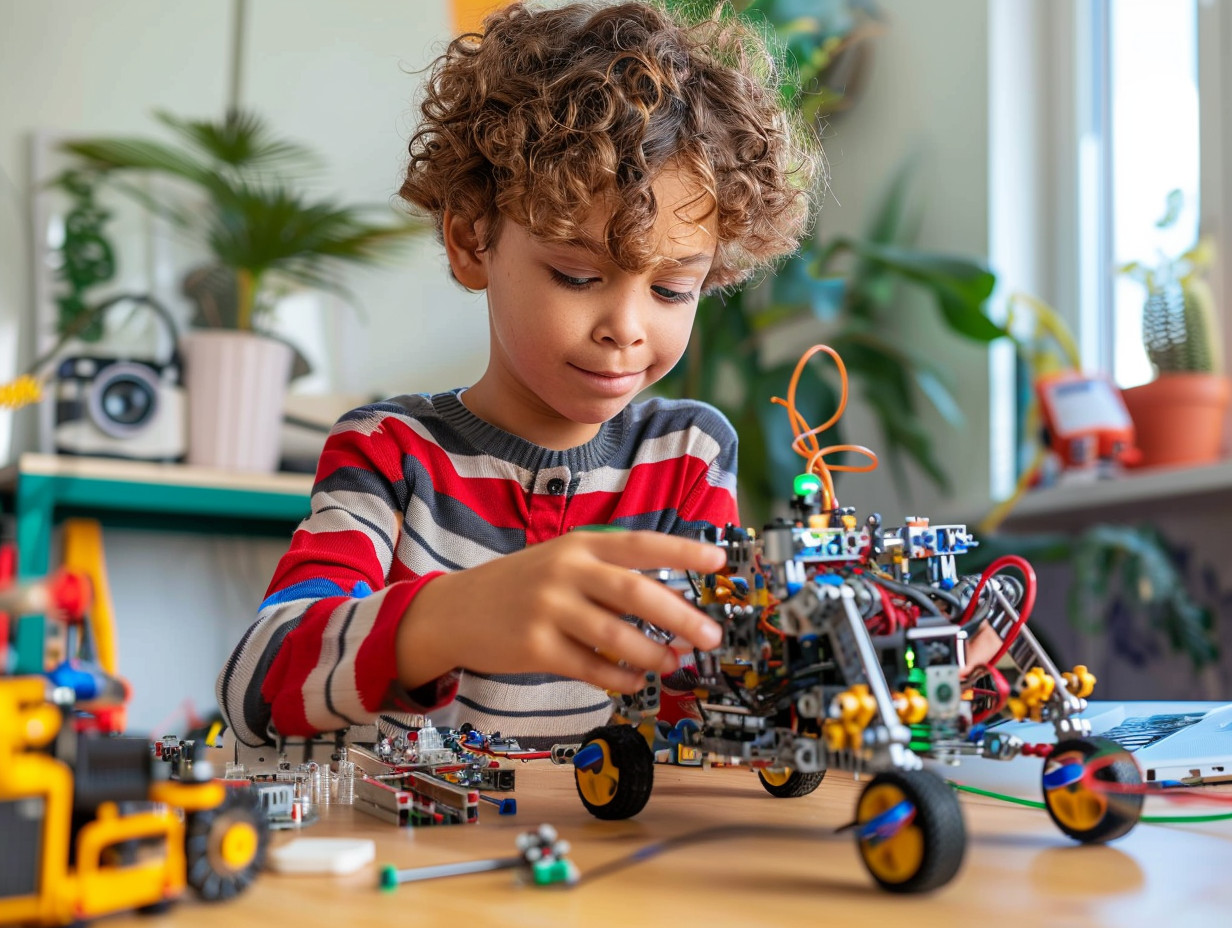
Digital environments provide a virtually infinite canvas for children to express their creativity and develop new ideas. From graphic design applications to programming tools, there are a variety of resources available that encourage experimentation and innovation. Children can create digital stories, design your own video games or even program robots, allowing them to actively explore their imagination and develop creative skills.

Improvement of communication skills
Technology facilitates collaboration between children by allowing them to connect and work together on online projects. Collaboration platforms such as Google Classroom or real-time document editing applications promote teamwork and effective communication. By participating in collaborative activities, children learn to share ideas, resolve conflicts, and work toward a common goal—essential skills for success in life.
Development of digital skills
In an increasingly digitalized world, it is essential that children acquire technical and digital skills from an early age. Working with technological elements offers a wide range of tools and resources that allow them to become familiar with concepts such as coding, programming and digital literacy. These skills are not only valuable in academics, but they also prepare children for the world of work of the future, where they will have to collaborate with smart assistants and all kinds of virtual productivity spaces.

Preparation for the future of work
Faced with the acceleration of change in the work landscape, the best response is to be flexible and train response capacity. In this new environment, children who are familiar with technology will have a significant advantage later in life. From technology-related jobs to roles in emerging fields such as artificial intelligence and virtual reality, the skills gained through the use of technology prepare children for careers to come. Furthermore, mastery of digital tools increases their employability and provides them with opportunities to thrive in an innovation-driven economy.
Psychological benefits
Technology can also have a positive impact on children's emotional well-being. By successfully developing technological projects, such as creating a video game or editing a video, children experience a sense of achievement and satisfaction that strengthens their self-esteem. Additionally, recognition and validation of their abilities from their parents and adults can boost their confidence and motivation to continue exploring and learning.
So, as we have seen, the use of technology offers a wide range of benefits for children, from promoting key skills to strengthening their self-esteem and self-confidence. Like everything in life, the more powerful a resource or tool is, the more careful we must be in using it and even more so when it comes to our own children. Technology in itself is neither good nor bad; rather, many of the problems experienced by children and adolescents derive from misuse and, in many cases, abuse. By responsibly harnessing the opportunities that technology brings, we can prepare the next generation to meet the challenges of the modern world and thrive in a future driven by innovation, creativity and human values.


